
Our Blog
Recent Articles
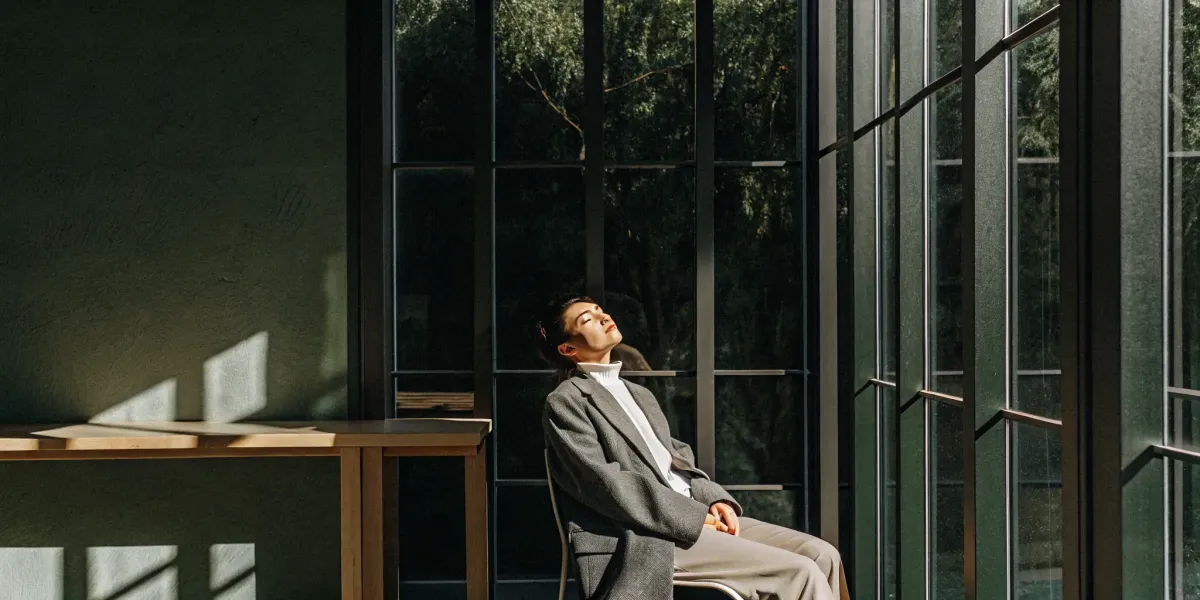
How to Calm Your Nervous System Naturally
If you’ve tried all the diets, supplements, and protocols without finding lasting relief, please know you are not alone. It’s easy to feel defeated when you’re doing all the “right things” but the exhaustion, pain, and mental fog remain. Often, the missing piece isn’t another external fix, but a gentle, internal shift. The root of these persistent symptoms frequently lies in a dysregulated nervous system that has learned to be on constant guard. The beautiful truth is that God designed our bodies with an incredible capacity for restoration. The process of calming the central nervous system naturally, through simple, faith-centered practices, can help you find the peace that has felt so out of reach, addressing the issue at its core.
Key Takeaways
Connect your faith with your physical well-being: Your relationship with God is a powerful resource for calming your body. Integrate simple practices like breath prayer or scripture-based stillness to send direct signals of peace to your nervous system.
Build a lifestyle that signals safety to your body: You can support your nervous system through small, daily choices. Prioritizing sleep, spending quiet time in nature, and using simple grounding techniques are practical ways to create an environment of rest.
Recognize when you need more than self-care: If your symptoms persist despite your best efforts, it does not mean you have failed. It may be a sign that a more structured, community-based approach is needed to help your nervous system find lasting balance.
What Is the Central Nervous System?
Think of your central nervous system (CNS) as your body’s internal communication network. It’s made up of your brain and spinal cord, and it’s responsible for sending and receiving messages that control everything you do, from breathing and walking to thinking and feeling. God designed this system with incredible intricacy, allowing your brain to coordinate with your body to respond to the world around you. When this system is balanced and healthy, you feel grounded, clear-headed, and capable of handling life’s challenges with grace.
However, this system is also sensitive. Just like a phone line can get static, your CNS can become overwhelmed, especially when faced with ongoing stress or chronic health struggles. Understanding how this core system works is the first step toward restoring its intended peace and function. It’s not about finding a complicated fix, but about gently guiding your body back to the calm, resilient state it was created for.
How your CNS responds to stress
Your nervous system is designed to handle stress in short bursts. But when stress becomes a constant companion, your CNS can get stuck in a state of high alert. It’s as if the alarm system is always on, even when there’s no immediate danger. This can lead to a state of dysregulation, where your body’s internal signals become scrambled. You might feel perpetually anxious and on edge, or you might swing to the other extreme and feel completely drained and shut down. These physical responses, like persistent fatigue or a racing heart, are real signs that your body is calling out for rest and balance. Recognizing that your CNS is overwhelmed is a crucial step toward finding ways to reclaim your calm.
The limbic system’s role in keeping you calm
Within your brain lies the limbic system, a key part of your CNS that acts as your emotional center. When it’s working as intended, it helps you manage your feelings and maintain a sense of inner peace. Think of it as the part of you that helps you feel joy, connection, and security. However, chronic stress can disrupt the limbic system, making it difficult to find that emotional stability. You might find yourself feeling emotionally fragile or reacting in ways that don’t feel like you. Understanding the limbic system’s role in emotional regulation is foundational to our approach at Limbic System Rewire, as we focus on restoring this area through faith-based principles.
Signs of a Dysregulated Nervous System
When your body and mind feel out of sync, it can be confusing and isolating. You might feel like you’re doing all the right things, yet a sense of unease or exhaustion lingers. This is often a sign that your nervous system is stuck in a state of high alert. God designed our bodies with an incredible capacity for resilience, but chronic stress can push the nervous system out of its natural rhythm. Recognizing these signals is the first step toward gently guiding your system back to a place of peace and balance.
These signs aren't just random occurrences; they are your body’s way of communicating that it needs support. Instead of seeing them as weaknesses, we can view them as loving invitations to pay closer attention to our mental, physical, and spiritual well-being. When we learn to listen to these cues, we can begin to address the root cause of the imbalance and partner with God in our restoration journey. Many people who experience these signs find that a Christ-centered approach to brain rewiring helps them find lasting relief.
Physical signs to look for
A dysregulated nervous system often shows up in your body first. You might notice a racing heart when you’re trying to rest or a constant tightness in your chest and stomach. Chronic fatigue can set in, leaving you feeling drained no matter how much you sleep. Many people also struggle with persistent brain fog, making it hard to think clearly. Other common physical signs include frequent headaches, tense muscles that never seem to relax, and digestive issues that come and go without a clear cause. These physical feelings are very real and are your body’s way of signaling that it’s carrying a heavy burden.
Emotional and mental signs
The emotional toll of a dysregulated system can be just as challenging as the physical signs. You may find yourself easily irritated or upset over small things. Feelings of anxiety or worry can become constant companions, and you might even experience moments of panic that seem to come out of nowhere. For others, it feels like the opposite: a sense of being numb or disconnected from your own life and emotions. This can make it difficult to focus, make decisions, or find the motivation to do things you once enjoyed. When your mind is in a state of constant alert, it can be incredibly difficult to feel the peace that God promises.
How it affects your behavior and sleep
When your nervous system is on overdrive, your behaviors and sleep patterns often change. You might feel like you can’t relax or that you always need to be busy. This can lead to avoiding social situations or people because it all feels too overwhelming. Many also notice changes in their eating habits, either eating much more or much less than usual. One of the most common struggles is difficulty sleeping, where you feel exhausted but your mind won’t shut off. This cycle of being "tired but wired" can leave you feeling completely burnt out and disconnected from your own life.
How to Naturally Calm Your Nervous System
When your body feels stuck in a state of high alert, it can seem like you’ve lost all control. But God designed our bodies with an incredible capacity for restoration, and He invites us to partner with Him in that process. Calming your nervous system doesn’t have to be complicated or require expensive tools. It can begin with simple, intentional practices that gently signal safety to your mind and body. These small acts of care, when done consistently, can create powerful shifts, helping you move from a place of constant stress to one of greater peace.
The beautiful thing is that you can start right where you are, with the resources God has already given you: your breath, your body, and your ability to connect with Him. By weaving together simple physical techniques with the spiritual nourishment of prayer and scripture, you can create a holistic approach to finding calm. These practices are not about striving or forcing change; they are about creating space for your nervous system to settle and for you to rest in God’s presence. As you explore these methods, you’ll see how they fit into a larger picture of nervous system restoration that addresses mind, body, and spirit.
Deep breathing and breath prayer
One of the most direct ways to communicate calm to your body is through your breath. When we’re stressed, our breathing often becomes shallow and rapid. By intentionally slowing it down, we send a powerful signal to our brain that we are safe. A simple practice is to breathe in slowly through your nose for four counts, and then exhale even more slowly through your mouth for six counts. Doing this for just a few minutes can make a noticeable difference.
To deepen this practice, you can turn it into a breath prayer. As you inhale, silently speak a line of scripture that brings you comfort, like “The Lord is my shepherd.” As you exhale, complete the verse: “I shall not want.” This beautiful practice combines the physical act of deep breathing with the spiritual truth of God’s care, anchoring your mind and body in His peace.
Scripture-based stillness practices
In a world that constantly demands our attention, the call to “be still, and know that I am God” (Psalm 46:10) is more important than ever. This isn’t about emptying your mind, but about filling it with truth. A scripture-based stillness practice involves setting aside a few minutes to quiet your heart before the Lord. You can begin by reading a comforting passage, like Psalm 23 or Philippians 4:6-7, and then simply sit in silence, allowing the words to sink in.
This practice helps you detach from the spiraling thoughts of worry and instead focus on God’s promises and His presence. It’s a way of renewing your mind, which is foundational to restoring your body. By creating intentional moments of stillness, you make space to hear His gentle voice above the noise of your symptoms and fears, reinforcing the core beliefs that sustain you.
Simple grounding techniques
When you feel overwhelmed by anxious thoughts or physical sensations, grounding is a simple way to bring your awareness back to the present moment. It helps you reconnect with your body and your surroundings, reminding your nervous system that you are safe right here, right now. One of the most effective methods is the 5-4-3-2-1 technique. Look around and name five things you can see, four things you can feel, three things you can hear, two things you can smell, and one thing you can taste.
This simple sensory exercise interrupts the cycle of worry and pulls your focus away from internal distress. You can also practice grounding by pressing your feet firmly into the floor, wrapping yourself in a soft blanket, or holding a warm cup of tea. These actions anchor you in the present, where you can feel God’s sustaining presence with you in the moment.
Gentle movement for your body
Our bodies were designed to move, and gentle movement can be a wonderful way to release stored tension and stress. You don’t need an intense workout; a simple, mindful walk can do wonders. As you walk, pay attention to the rhythm of your steps and the feeling of the air on your skin. You can use this time to listen to worship music or simply talk to God, turning your walk into a moving prayer.
Light stretching is another way to care for your body, helping to ease muscle tightness that often comes with a sensitized nervous system. Think of this movement not as a chore, but as an act of stewardship for the body God has given you. By moving gently and intentionally, you are honoring your physical self and helping it process and release the physical burdens of stress.
The power of prayer and faith
Above all other techniques, the greatest source of peace is found in our relationship with Jesus. Prayer is not just a calming activity; it is a direct line to the Creator of the universe who loves you intimately. When you feel overwhelmed, you can follow the instruction in 1 Peter 5:7 to “cast all your anxiety on him because he cares for you.” Speaking your fears and frustrations to God lifts the burden from your shoulders and places it into His capable hands.
This is where true, lasting peace is found, a peace that surpasses all understanding. Your faith is your anchor in the storm of chronic symptoms. It is the unshakable foundation that holds you steady when everything else feels uncertain. Leaning on God in prayer connects you to a source of strength far greater than your own, providing the hope and endurance you need for your journey, as so many others have discovered in their own success stories.
How Your Lifestyle Impacts Your Nervous System
The small choices we make every day can add up to a big impact on our well-being. When your nervous system feels constantly on high alert, it’s easy to feel like you’ve lost control. But God has given us incredible bodies and the wisdom to care for them. By intentionally shaping our daily routines, we can create an environment that encourages peace and allows our nervous system to find its way back to balance. It’s not about perfection; it’s about stewardship and taking small, faithful steps toward restoration.
Our world often celebrates constant hustle and productivity, which can leave our bodies and spirits feeling depleted. This pace can pull us away from the natural, God-given rhythms of rest and connection that our nervous systems need to thrive. Choosing to slow down and build gentle, life-giving habits is a powerful act of faith. It's a way of saying that you trust God’s design for your body more than the world’s demands for your time and energy. These lifestyle adjustments are invitations from a loving Father to receive His care through the simple, beautiful means He has already provided.
Thinking about your lifestyle isn’t another source of pressure. Instead, see it as an opportunity to partner with God in your journey toward wholeness. Simple adjustments to how you sleep, how you spend your time, and who you share it with can make a profound difference. Let’s look at a few practical areas where you can begin to support your nervous system with these gentle habits.
Why sleep is key for restoration
God designed our bodies with a beautiful rhythm of work and rest. Sleep is not a luxury or a sign of weakness; it is a vital part of this design. While you are sleeping, your body is hard at work repairing and restoring itself, and your nervous system is no exception. This is the time when your brain clears out toxins and processes the day's events, allowing your entire system to reset. When we don't get enough quality sleep, our nervous system can remain in a state of high alert, making it harder to cope with stress. Aiming for a consistent 7 to 9 hours of sleep each night is one of the most loving things you can do for your body.
Build habits for better sleep
If a full night of restful sleep feels out of reach, you are not alone. Creating a peaceful bedtime routine can signal to your body that it’s time to wind down. Start by dimming the lights and turning off screens at least 30 minutes before you want to sleep. You might also consider reducing caffeine and alcohol, especially in the afternoon and evening. A calming bedtime routine could include gentle stretching, reading a comforting book, or listening to quiet worship music. Keeping your bedroom cool and as dark as possible also helps create a sanctuary for rest, inviting your body and mind into a state of peace.
Find calm in nature
Spending time in God’s creation is a powerful way to soothe a frazzled nervous system. The beauty and order of the natural world can have a profoundly calming effect on our hearts and minds. You don’t need to go on a long hike to experience these benefits. A simple walk in a local park, tending to a small garden, or even just sitting on a bench and listening to the birds can help regulate your system. Being in nature reminds us of God’s steady presence and helps pull our focus away from our internal struggles and onto His magnificent handiwork, which can bring an immediate sense of peace.
Lean on your community for support
We were created for connection. Being in the presence of safe, caring people can help our own nervous systems feel calmer and more secure. This is a beautiful, God-given process called co-regulation. When you spend time with a trusted friend, a supportive family member, or your church community, their sense of peace can become contagious. Sharing your heart in a safe space or simply enjoying quiet companionship can lower stress and remind you that you are not alone. Even the quiet presence of a pet can offer immense comfort. Prioritizing time with your supportive community is not just good for the soul; it’s essential for the body.
Keep your mind active and engaged
Caring for your nervous system also involves tending to your thoughts. The practice of noticing your thoughts and feelings without immediate judgment allows you to see them more clearly. Once you see them, you can choose what to do with them, holding them up to the truth of God’s Word. This isn’t about suppressing your feelings but about bringing them into the light. Engaging your mind in positive ways, such as reading Scripture, learning a new skill, or working on a hobby you love, can also create new, healthier pathways in your brain. This intentional focus helps you actively participate in the renewing of your mind, which is foundational to lasting change.
Does Your Environment Affect Your Nervous System?
Your environment sends constant signals to your nervous system, telling it whether to be on high alert or at ease. Think about how a peaceful, quiet room feels compared to a loud, crowded space. That feeling is your nervous system responding directly to your surroundings. While we can’t always control the world outside, we have a beautiful opportunity to be intentional with the spaces wecancontrol, especially our homes. Creating an environment that supports your well-being is a powerful act of stewardship over the body and mind God has given you. It’s about shaping a physical space that reflects the inner peace we seek in Christ, guiding our nervous system away from chronic stress and toward rest.
Create a restorative home
Your home should be your haven, a place where your nervous system can finally exhale. When you're navigating chronic symptoms, coming home to a chaotic space only adds to the burden your body is already carrying. Because your nervous system controls your thoughts and feelings, a stressful environment can keep it in a state of imbalance. You can partner with God to intentionally shape your home into a place of restoration. Start by simplifying and decluttering to give your mind and eyes less to process. Open the blinds to let in natural light, play gentle worship music, or use a diffuser with calming scents like lavender or frankincense. Creating a small, dedicated corner for prayer and reading Scripture can also signal to your body and spirit that it’s time to be still and connect with the Lord.
Limit what dysregulates your system
Just as important as what you bring into your environment is what you intentionally keep out. Our world is full of inputs that can overstimulate a sensitive nervous system, keeping it in a state of fight-or-flight. A great first step is to reduce constant notifications on your phone and be mindful of the noise and media you consume throughout the day. This is a practical way to guard your heart and mind from unnecessary stress. The people you surround yourself with matter, too. Spending time with calm, supportive individuals can have a wonderfully steadying effect on your own system. This is a beautiful picture of Christian fellowship, where we can find a peaceful presence in one another. Even spending quiet time with a pet can bring a sense of calm and co-regulation to your body.
The Mind-Body-Spirit Connection to a Calm CNS
God designed us as integrated beings, where our mind, body, and spirit are woven together. You cannot separate one from the others; what affects your thoughts will eventually affect your body, and what affects your spirit will influence your mind. When your central nervous system is stuck in a state of high alert, it’s never just a physical issue. It sends ripples through your emotional state, your mental clarity, and your connection to God. This is why simply managing physical symptoms often falls short of providing true, lasting peace.
To find genuine calm, we must look at the whole picture. This means addressing the physical tension in your body, renewing your mind with truth, and nurturing your spirit through faith. A Christ-centered approach recognizes that our stability is ultimately anchored in Him. As we draw closer to God, He provides the foundation for our mental, emotional, and physical restoration. This holistic perspective is at the heart of our beliefs and is essential for anyone seeking to calm their nervous system for good. It’s about inviting God into every part of your being and allowing His peace to transform you from the inside out.
Renew your mind to restore your body
Your thoughts have a powerful influence on your physical state. When you’re caught in cycles of worry or fear, your brain signals danger to your body, keeping your nervous system on high alert. The Bible tells us to be transformed by the renewing of our minds (Romans 12:2). This involves intentionally shifting our focus from anxious thoughts to God’s truth. You can practice this by becoming aware of your thoughts and gently redirecting them toward what is true, honorable, and pure.
Simple breathing techniques can also be a powerful tool. Taking slow, deep breaths sends a direct signal to your brain that you are safe, helping to quiet the fight-or-flight response. You can pair this with prayer by inhaling God’s peace and exhaling your worries, turning a physical exercise into an act of worship.
Find lasting balance with a Christ-centered approach
Lasting balance comes from nurturing your spirit and caring for your body in ways that honor God. Spending time in nature is a wonderful way to do this. Walking through a forest or sitting by the water can quiet your mind and remind you of the Creator’s peace and power. These moments in creation can be deeply restorative for a stressed nervous system.
Engaging in gentle movement is another way to release stored tension. Simple stretches or a slow, mindful walk can help your body let go of physical stress, which in turn calms your mind. Furthermore, we were created for connection. Leaning on your community for support and sharing your burdens with trusted friends or family reinforces a sense of safety and belonging. When these practices are rooted in faith, they become more than just techniques; they become pathways to experiencing God’s peace in your body and soul.
How Brain Rewiring Supports CNS Restoration
It’s easy to feel like you’re stuck with the brain you have, especially when you’re dealing with chronic symptoms. But God designed our brains with an incredible capacity for change. This ability to form new connections and pathways is called neuroplasticity, and it’s the key to helping your central nervous system find its way back to a state of peace and function. By intentionally guiding this process, you can support your body’s natural ability to restore itself from the inside out.
The role of limbic system rewiring
Your limbic system is like the emotional command center of your brain. When it’s been stuck in a high-stress state for a long time, it can learn to overreact to everyday signals, keeping you in a cycle of fight-or-flight. Limbic system rewiring is the process of gently retraining this part of your brain to feel safe again. Thanks to neuroplasticity, your brain can adapt and create new, calmer neural pathways. Through consistent, simple practices, you can teach your brain to respond differently. Studies show that intentional practices like focused stillness can create structural changes in the brain areas responsible for emotional regulation, helping you build resilience and break free from old patterns.
Why a Christ-centered approach is different
A Christ-centered approach to brain rewiring goes beyond simple techniques by grounding the entire process in faith. It recognizes that true, lasting restoration involves your mind, body, and spirit. Instead of relying only on your own strength, you invite God into the process, partnering with Him to renew your mind (Romans 12:2). Practices like prayer and reading Scripture become powerful tools for rewiring, filling your mind with truth and hope. Research confirms that spiritual practices provide deep-seated coping mechanisms and a sense of purpose. This approach isn’t just about managing symptoms; it’s about a complete transformation rooted in the unchanging love and power of God, which is the foundation of our beliefs.
When Self-Care Isn’t Enough
Sometimes, even with the best intentions and most faithful practices, we find ourselves stuck. You might be doing all the things you know to do, yet the symptoms remain. This isn’t a sign that you’ve failed or that God has forgotten you. It’s often an indication that a deeper level of support is needed to help your nervous system find its way back to a state of peace and function. Recognizing when to seek that support is a beautiful act of self-stewardship and trust.
Signs you may need more support
It can feel disheartening when you’re faithfully practicing self-care, like praying, breathing deeply, and spending time in nature, but your symptoms just won’t budge. These are wonderful, God-given tools, but sometimes they aren't enough to create the lasting change we long for. If your symptoms are persistent, interfere with daily life, or even seem to get worse despite your best efforts, it may be a sign that your nervous system needs a more structured kind of support. This isn't a personal failure; it's simply an invitation to explore a more focused path. Taking a moment to see if brain rewiring will help can offer clarity on what your next step could be.
What a faith-based program can offer
God designed us for community, so we never have to walk through our challenges alone. When your own efforts feel like they’re falling short, a structured program provides something vital that we can’t give ourselves: co-regulation. Research shows that simply being with calm, caring people can help your own body become calmer. A Christ-centered brain rewiring program offers this kind of supportive environment, guided by people who understand your challenges and share your faith. Instead of trying to piece together solutions on your own, you receive a clear path forward, surrounded by a community that reminds you of God’s truth and His design for your life.
Your Next Step Toward a Calmer Nervous System
Taking the first step toward a calmer life can feel like a huge mountain to climb, especially when you’re already feeling worn out. But I want to encourage you: you don’t have to do it all at once. God has equipped our bodies with incredible, natural ways to find peace, and you can start using them right now with a few simple practices. These aren't meant to be a quick fix, but rather gentle invitations to reconnect with your body and find stillness in His presence.
You can begin by focusing on your breath. Intentional breathing is one of the quickest ways to signal safety to your body. Try inhaling slowly for four counts, holding for seven, and exhaling for eight. As you breathe, you can even whisper a prayer, inviting God’s peace into that very moment. Another powerful tool is grounding. When you feel anxious or disconnected, try the 5-4-3-2-1 method: notice five things you can see, four things you can feel, three things you can hear, two things you can smell, and one thing you can taste. This simple practice pulls your focus back to the present and the good world God created around you.
Gentle movement is another beautiful way to release tension. A slow walk outside, paying attention to the warmth of the sun or the sound of the birds, can do wonders for your spirit and body. These small, consistent actions are acts of love toward yourself and can provide real relief in moments of distress. They are powerful reminders that you have agency and that peace is accessible.
While these practices are wonderful for managing symptoms day-to-day, sometimes they aren't enough to create lasting change, especially if your nervous system has been stuck in a state of high alert for a long time. If you’re looking for a more structured, Christ-centered path to restore your body’s natural balance, that’s where brain rewiring comes in. Our program is designed to get to the root of the issue by retraining the limbic system. If you’re curious whether this approach is the right fit for you, I invite you to take our free 2-minute screening. It’s a simple, no-pressure way to see if brain rewiring could be your answer to finding lasting mental, emotional, and physical well-being.
Frequently Asked Questions
I feel anxious and exhausted all the time, but my doctor says I'm fine. Could this still be a nervous system issue?It’s incredibly common and very frustrating to feel unwell when all your tests come back normal. What you’re feeling is real. A dysregulated nervous system means your body’s internal alarm system is stuck in the “on” position, which creates very real physical sensations like fatigue, a racing heart, or brain fog. This isn't something that typically shows up on standard medical tests, but it’s a clear signal that your body is carrying a heavy burden of stress and needs support to find its way back to a state of rest.
I've tried deep breathing before and it didn't work. Why would it work now?That’s a fair question, and many people feel the same way. Trying a calming technique once or twice when you’re already in a high-stress state can feel like trying to stop a tidal wave with a bucket. The power of these practices comes from consistency. When you practice them regularly, even for just a few minutes a day, you are slowly and gently teaching your brain to create new, calmer pathways. It’s less about a single practice being a magic fix and more about how consistent, small actions add up to help your nervous system learn a new, more peaceful way of being.
How is brain rewiring different from the simple calming techniques you mentioned?Think of the simple calming techniques, like breath prayer or grounding, as wonderful tools for in-the-moment relief. They are like first aid for your nervous system when you feel overwhelmed. Brain rewiring is a more structured and comprehensive approach that gets to the root of the issue. It’s a daily practice designed to systematically retrain the part of your brain that controls the stress response, helping it learn to feel safe again. The goal is to restore your system’s natural balance so you need that "first aid" less and less over time.
I pray and read my Bible, but I still feel awful. Why isn't my faith enough to address this?This is such an important and honest question. Your faith is your unshakable foundation, and it is absolutely essential. However, God designed us as integrated beings with a mind, body, and spirit. When the body has been under prolonged stress, the nervous system can get stuck in a physical pattern of high alert. Using brain rewiring isn't a sign of weak faith; it's a way of wisely stewarding the body God gave you. It’s about using the principles of how He designed our brains to work, partnering with Him to guide your physical body back to the peace He promises.
I feel overwhelmed by all this information. Where is the best place to start?Feeling overwhelmed is completely understandable, especially when you’re already feeling worn out. The best first step is always a small one. Don’t try to do everything at once. Just choose one simple practice from the article that feels doable for you, like taking a five-minute walk in nature or practicing breath prayer before bed. The goal is to start creating small moments of peace in your day. If you feel you need a more guided path, taking the free 2-minute screening is a simple, no-pressure way to get clarity on whether a structured program is the right next step for you.


Meet the Founders
Brooklyn Hanna — FDN-P, RN, Cognitive Behavioral Coach CEO & Lead Brain Rewiring Coach
Brooklyn's journey to founding Limbic System Rewire wasn't born in a classroom — it was forged through years of personal suffering. After toxic mold exposure and other major life stressors, Brooklyn was hit with over 18 chronic symptoms, including severe brain fog, extreme fatigue, food and chemical sensitivities, insomnia, anxiety, and more. She was diagnosed with Lyme disease, mold illness, SIBO, chronic fatigue syndrome, autoimmunity, hormone imbalances, and mast cell activation syndrome.
She saw dozens of conventional and natural doctors, spent years on restricted diets, detox protocols, and supplement regimens — at one point she was only able to eat 2 foods. Nothing brought lasting relief.
Then Brooklyn discovered brain rewiring. In just 2 weeks, she experienced more improvement than she had seen in years. She went all in. Within 6 months, her life was completely transformed — she stopped all supplements, began eating freely, ran miles, and lifted weights. Her chronic limitations were gone.
As a Registered Nurse, Functional Diagnostic Nutrition Practitioner (FDN-P), and Cognitive Behavioral Coach, Brooklyn combined her clinical training with her lived recovery to create the Limbic System Rewire program. Her mission: to show others that the root cause of chronic symptoms isn't just a label — it's a dysregulated nervous system that can be rewired with faith and neuroplasticity.
Nick Hanna — Certified Christian Life Coach Co-Founder & Brain Rewiring Coach
Nick was there through every stage of Brooklyn's journey — he witnessed her suffering, and he witnessed her complete transformation. That front-row experience ignited a deep calling to help others find the same freedom.
A Certified Christian Life Coach who specializes in brain retraining, Nick trained extensively in the Limbic System Rewire methodology to coach alongside Brooklyn. He brings theological depth, pastoral care, and genuine compassion to every client interaction. Together, Nick and Brooklyn bring over 10 years of combined coaching experience and have helped over 3,000 clients walk the path from chronic illness to wholeness — in Christ.
Copyright 2026 Limbic System Rewire All Rights Reserved
Hanna Coaching, LLC
Contact Us Here: +1 (727) 658-6129
Disclaimer - Refund Policy - Terms and Conditions of Use of this Site
Contact us for questions at support@limbicsystemrewire.com