
Our Blog
Recent Articles

Neuropathic Pain: Finding What Truly Works
For many, the journey with chronic pain is not just physical, but deeply spiritual. When you’ve prayed for your health and tried countless treatments without success, it’s easy to feel disconnected and discouraged. Conventional medicine often overlooks the profound connection between our faith and our physical well-being. True health requires restoring a sense of safety and peace that goes beyond what medicine alone often can provide. This article explores a Christ-centered neuropathic practice that integrates the power of faith with the science of neuroplasticity. We will discuss how grounding your recovery in spiritual truth can calm a dysregulated nervous system and create the ideal environment for your body to finally heal.
Key Takeaways
Address the root cause, not just the symptoms: Neuropathic pain often stems from a nervous system stuck in a chronic stress response. Lasting relief comes from addressing this core imbalance in the brain's limbic system, rather than only managing the pain signals.
Your brain can be retrained for health: Through neuroplasticity, your brain has the remarkable ability to form new, healthy pathways. With consistent daily practice, you can actively teach your brain to exit the chronic pain cycle and return to a natural state of rest and recovery.
Build a foundation of safety and support: Getting healthy is a holistic process that requires signaling safety to your body. Gentle lifestyle choices like nourishing food and restorative movement, combined with a faith-centered approach, create the ideal environment for your nervous system to regulate and get well.
What Is Neuropathic Pain and How Is It Different?
If you’ve ever felt a burning, stabbing, or electric shock-like pain that seems to come out of nowhere, you might be experiencing neuropathic pain. It’s a unique and often confusing type of pain because it doesn't stem from an obvious injury to a muscle or bone. Instead, it originates from damage or a malfunction within the nervous system itself, which includes your nerves, spinal cord, or even your brain.
Many people also describe it as a “pins and needles” feeling, tingling, or numbness that just won’t go away. Understanding what neuropathic pain is can be the first step toward finding real relief, because it requires a different approach than other types of pain. It’s not just a symptom; it’s a sign that the body’s communication system needs attention and healing.
What Happens When Nerves Are Damaged?
When your nerves are damaged or aren't working correctly, they can get their signals crossed. Think of it like faulty wiring in a house. These nerves start sending incorrect pain messages to your brain, even when there’s no actual injury causing the pain. This is why you might feel intense pain from something as simple as a bedsheet brushing against your skin or a slight change in room temperature. Your brain is receiving a distress signal from the nerve, creating a very real sensation of pain that doesn't match what's happening on the outside. This miscommunication in the nervous system is at the heart of neuropathic pain.
Neuropathic vs. Nociceptive Pain: What's the Difference?
It’s helpful to know that not all pain is the same. Most of the pain we experience throughout our lives is nociceptive pain. This is the pain you feel when you stub your toe or touch a hot stove; it’s a direct response to tissue damage. It’s usually described as sharp, aching, or throbbing. Neuropathic pain, on the other hand, comes from the nerves themselves. It can exist without any visible injury because the problem lies within the signaling system. Knowing this difference is so important because treatments that work for nociceptive pain, like standard pain relievers, often don't work for neuropathic pain. This distinction helps guide you toward therapies that actually address the root cause in your nervous system.
What Are the Common Symptoms and Causes of Neuropathy?
Understanding neuropathy starts with recognizing its unique signals and knowing what might be causing them. If you've ever felt a pain that's hard to describe, you're not alone. Let's look at the common signs of nerve pain and the factors that can contribute to it, so you can get a clearer picture of what’s happening in your body.
How to Recognize Neuropathic Pain Symptoms
Neuropathic pain feels different from a typical headache or a pulled muscle because it originates from the nerves themselves. When nerves are damaged or aren't working correctly, they can send faulty pain signals to your brain. People often describe these sensations as burning, stabbing, or shooting pains. You might also feel something like an electric shock, a persistent tingling, numbness, or that "pins and needles" feeling. These are all signs that your nervous system is sending distress signals, and understanding these types of neuropathic pain is the first step toward finding relief.
Key Causes of Nerve Damage
So, what causes this kind of nerve damage? The term for this condition is often peripheral neuropathy, which refers to any issue affecting the nerves outside your brain and spinal cord. The causes are incredibly varied. It can stem from physical trauma, infections, or circulation problems. Certain health conditions like diabetes, autoimmune diseases, and vitamin deficiencies are also common culprits. Sometimes, medications or toxins can contribute to nerve damage. Identifying the root cause can feel overwhelming, but it’s an important piece of the puzzle in your healing journey.
What Are the Conventional Treatments for Neuropathy?
When you’re dealing with the persistent pain of neuropathy, your first stop is often a doctor's office to discuss conventional treatments. These approaches are the standard medical response to nerve pain and are designed to manage and reduce your symptoms. While they can provide relief for many people, it's helpful to understand that they often focus on interrupting pain signals rather than addressing the root cause of why your nervous system is sending them in the first place. Knowing what these common treatments are can help you make informed decisions on your path to finding what truly works for your body.
Medications: Anti-Seizure Drugs and Antidepressants
One of the most common approaches to managing nerve pain is through prescription medication. Doctors often prescribe anti-seizure drugs, such as gabapentin and pregabalin, as a first-line treatment. These medications work by stabilizing the erratic electrical activity in your nervous system, which can help calm the pain signals coming from damaged nerves. Another option your doctor might discuss is certain types of antidepressants. Serotonin-norepinephrine reuptake inhibitors (SNRIs) like duloxetine can be effective because they alter the way your brain and spinal cord process pain, providing relief that is separate from their effect on mood. These medications for nerve pain are widely used but primarily focus on symptom management.
Topical Treatments and Medical Procedures
If taking oral medications isn’t the right fit for you, there are other options available. Topical treatments can provide localized relief directly where you feel the pain. These include things like lidocaine patches, which numb the area, or capsaicin cream, which uses a compound from chili peppers to reduce pain signals over time. For milder pain, some people find that over-the-counter pain relievers, including nonsteroidal anti-inflammatory drugs (NSAIDs), can help take the edge off. These topical solutions offer an alternative for those who prefer not to take systemic medication or who experience side effects from it. They allow you to target the pain at its source without affecting your entire body.
Physical Therapy and Rehabilitation
Physical therapy is another essential component of a conventional treatment plan for neuropathy. This isn't just about general exercise; it involves a personalized program designed to address your specific challenges. A physical therapist can guide you through specialized exercises that help strengthen muscles that may have weakened and significantly improve your balance and coordination. Better strength and balance can reduce your risk of falls and make it easier to perform daily activities. These rehabilitation strategies focus on improving your overall movement and function, helping you maintain your independence and move with more confidence despite the challenges of neuropathy.
How Can Alternative and Holistic Therapies Help?
When you’re dealing with chronic neuropathic pain, you’ve likely explored many different avenues for relief. If conventional treatments haven’t provided the answers you’re looking for, it’s natural to turn to alternative and holistic therapies. This path can feel overwhelming, with countless options to consider, from ancient practices to modern nutritional science. Many of these approaches aim to treat the body as an interconnected system rather than just a collection of symptoms. They focus on restoring balance, managing pain signals, and supporting your body’s innate ability to get well.
While some people find relief by combining different methods, it’s important to understand what each one offers. Exploring these options can be a part of your journey, helping you discover what truly supports your well-being. However, it's also common to find that while some therapies provide temporary relief, they don't fully resolve the underlying issue that keeps the pain cycle going. This is often because the root cause isn't being addressed. Let’s look at a few common therapies people turn to when seeking relief from nerve pain and consider what they can offer.
Acupuncture and TENS Therapy
Two common therapies you might hear about are acupuncture and TENS (transcutaneous electrical nerve stimulation). Acupuncture is an ancient practice that involves placing very thin needles at specific points on the body. The goal is to rebalance the body’s energy flow and stimulate its natural pain-relieving mechanisms. TENS therapy takes a more modern approach, using a small device to send low-voltage electric currents to the nerves through electrodes placed on the skin. This electrical stimulation can interrupt or block pain signals from reaching your brain. For some, these methods can be effective parts of a comprehensive pain management strategy, offering a non-pharmaceutical way to find temporary relief.
Supplements and Nutritional Support
Food is foundational to our health, and it’s true that what you eat can impact your nervous system. Sometimes, nerve pain can be linked to specific nutritional gaps, like a vitamin B12 deficiency. In those cases, addressing the deficiency is a clear first step. A diet rich in whole foods, including fruits, vegetables, and lean proteins, provides the building blocks your body needs for nerve health. While nutritional support is vital, it’s also true that for many chronic conditions, supplements alone aren’t the complete answer. If the root issue is a dysregulated nervous system, simply adding more supplements may not resolve the underlying pain cycle.
Mind-Body Practices for Pain Relief
Mind-body practices like meditation, visualization, and mindfulness are powerful tools for managing chronic pain. These approaches go beyond simple relaxation; they help you fundamentally change your relationship with pain. By calming your stress response, you can reduce the inflammation and tension that often make nerve pain worse. More importantly, these practices help retrain your brain’s perception of pain signals. They teach you to observe sensations without reacting, which can quiet the fear and anxiety that fuel the pain cycle. Creating a holistic approach to pain management that includes these practices can help regulate your nervous system and restore a sense of safety in your body, which is a key step toward lasting healing.
The Key to getting healthy: Regulating Your Nervous System
If you’ve tried countless treatments for neuropathic pain without lasting success, it’s easy to feel discouraged. Many conventional therapies focus on managing symptoms rather than addressing the root cause. But what if the key to truly getting your health back isn’t just about silencing the pain, but about retraining the system that’s sending the pain signals in the first place? This is where nervous system regulation comes in.
Your nervous system is your body’s command center. When it’s functioning correctly, it helps you respond to threats and then return to a state of rest. For many people with chronic conditions, however, the nervous system gets stuck in a state of high alert. This constant "fight-or-flight" response can amplify pain, create inflammation, and lead to a whole host of other symptoms like fatigue and brain fog.
True, lasting relief comes from teaching your nervous system that it’s safe. By working directly with the brain’s limbic system, you can calm this overactive stress response and restore your body’s natural ability to heal. It’s a shift from simply coping with symptoms to fundamentally changing how your body experiences the world. If you're wondering if this approach could be right for you, our two-minute screening can help you find out.
How Limbic System Dysfunction Fuels Chronic Pain
Deep inside your brain is the limbic system, which you can think of as your emotional and survival control center. It’s responsible for your fight-or-flight response and helps process emotions and memories. After a period of intense stress, illness, or trauma, the limbic system can become impaired, getting stuck in a cycle of high alert.
When this happens, it starts misinterpreting safe signals from your body and environment as dangerous threats. This dysfunction is what can turn acute pain into a chronic condition. Your brain essentially learns to be in pain, creating a self-perpetuating loop that’s difficult to break with medication alone. Addressing this requires a form of limbic system therapy designed to correct these faulty circuits at their source.
Rewire Your Brain with Neuroplasticity
The good news is that your brain isn’t hardwired to be in pain forever. Thanks to a remarkable ability called neuroplasticity, your brain can change, adapt, and create new neural pathways throughout your life. This means you can intentionally retrain your brain to move out of that chronic fight-or-flight state and into a state of healing and rest.
This isn’t just a hopeful idea; it’s a practical process. Using targeted neuroplasticity tools and consistent daily practice, you can teach your limbic system to respond differently. Even dedicating just 15 minutes a day to these exercises can begin to shift your brain-body signaling, reduce pain perception, and build new pathways for health. You have the power to actively participate in your own healing by rewiring your brain.
Restore Your Nervous System Through Faith-Based Healing
While neuroplasticity provides the scientific framework for how the brain can change, faith provides the foundation for why it works so well. Regulating your nervous system requires a deep sense of safety and trust, which can be difficult to find when you’re in constant pain. This is where a Christ-centered approach makes all the difference.
By grounding your health journey in faith, you invite a peace that surpasses all understanding. This spiritual trust helps calm the limbic system’s fear response, creating the ideal environment for neural rewiring to take place. A faith-centered approach isn’t about temporary relief; it’s about lasting transformation of your mind, body, and spirit. At Limbic System Rewire, our beliefs are central to helping you restore your nervous system and reclaim your health.
How Can Lifestyle Changes Support Your Healing?
When you’re living with chronic pain, the thought of making big lifestyle changes can feel exhausting. But supporting your healing journey doesn’t have to be about adding more to your plate. Instead, think of it as creating a gentle, stable foundation that allows your nervous system to feel safe enough to heal. The goal isn’t perfection; it’s about making small, consistent choices that signal safety and care to your body.
True healing goes beyond just managing symptoms. It involves retraining the brain and calming a dysregulated nervous system. While brain rewiring is the core of this transformation, simple shifts in your daily life can create the ideal environment for that work to flourish. By focusing on gentle movement, nourishing foods, and deep rest, you can support your body’s innate ability to repair itself. These practices work hand-in-hand with neuroplasticity, helping to reinforce new, healthy neural pathways and build a life free from chronic pain.
Gentle Movement for Nerve Health
When you’re in pain, exercise can seem like an impossible task. The key is to shift your focus from intense workouts to gentle, restorative movement. Activities like a slow walk, gentle stretching, or swimming can be incredibly beneficial for nerve health. Regular, gentle movement can help lower pain levels, improve muscle strength, and support healthy blood sugar, which is crucial for nerve function.
Think of this movement not as a chore, but as a way to communicate with your body. Each gentle step or stretch sends a signal of safety to your brain, reminding your nervous system that movement can be safe and even feel good. It’s about honoring your body’s limits while encouraging it toward greater freedom and strength, one small, graceful motion at a time.
Nourish Your Nerves: Diet and Blood Sugar
If you’ve dealt with chronic illness, you’ve likely tried countless restrictive diets. Let’s put those aside and focus on one simple goal: nourishment. Your nerves need specific vitamins and minerals to function and repair properly. You can provide these building blocks by focusing on a diet rich in whole foods like fruits, vegetables, whole grains, and lean protein. This isn't about restriction; it's about adding in foods that give your body the resources it needs to heal.
Another key piece of the puzzle is keeping your blood sugar stable. Big spikes and crashes in blood sugar act as a major stressor on your nervous system. By eating balanced meals and avoiding excessive sugar, you can help create a more stable internal environment. This calm, steady state reduces stress on your nerves and supports your overall healing journey.
The Power of Rest: Managing Stress and Improving Sleep
For a nervous system stuck in high alert, rest is non-negotiable. This means more than just getting enough sleep; it means actively cultivating moments of peace and calm throughout your day. Practices like prayer, quiet time in nature, or deep breathing can help manage the stress that often fuels chronic pain. These moments of intentional calm help dial down your body’s fight-or-flight response, creating space for healing to occur.
This state of calm is also the gateway to better sleep. When your nervous system feels safe, your body can finally enter a state of deep, restorative rest. Quality sleep is when your brain and body do their most important repair work. Using neuroplasticity tools gives you direct access to that feeling of safety, which can significantly improve your sleep and accelerate your recovery.
What Are Common Challenges on the Healing Journey?
If you're dealing with chronic symptoms, you know the path to feeling better isn't always a straight line. It can be filled with confusing advice, treatments that don't stick, and moments of deep frustration. This is a common experience, and it’s important to understand why these hurdles appear. Recognizing these challenges is the first step toward finding a path that truly addresses the root of the problem, rather than just chasing symptoms. Many people find that healing requires a combination of approaches that support their mental, emotional, and physical well-being all at once.
Why It's Hard to Find Treatments That Work
Have you ever felt like you're running in circles, trying one treatment after another with little to no relief? You're not alone. Neuropathic issues are notoriously difficult to address because they stem from a malfunction in the nervous system itself. Conventional medicine often aims to find and treat an underlying cause, but when one isn't clear, the focus shifts to simply managing symptoms. This can lead to a frustrating cycle of trial and error.
Because the nervous system is so complex, experts often find that a mix of treatments is necessary to provide relief. This is why a single pill or therapy rarely works on its own. A truly effective approach must go deeper to address the core dysregulation in the brain and nervous system, which is what our program is designed to do.
Coping with the Emotional Toll of Chronic Pain
Living with persistent symptoms is more than just a physical battle; it takes a significant emotional toll. The constant uncertainty and discomfort can easily lead to feelings of anxiety, hopelessness, and isolation. This isn't just a side effect; it's a key part of the cycle. The emotional and psychological impact of chronic pain can keep your nervous system stuck in a state of high alert, which in turn can make your physical symptoms feel even worse.
This is where faith and community become so vital. Surrounding yourself with support and grounding your journey in hope can make all the difference. It helps calm the fear response in your brain and creates a safe space for your body to begin healing. Hearing from others who have walked a similar path can remind you that recovery is possible.
How to Choose the Right Neuropathic Therapy for You
Finding the right path to getting healthy can feel overwhelming, especially when you’re faced with countless options and conflicting advice. The key isn’t to find a one-size-fits-all cure, but to discover what truly resonates with your body, your spirit, and your life. Many conventional treatments focus on managing symptoms, which can be a helpful first step, but they often don't address the root cause of the pain. On the other hand, holistic approaches aim to get to the heart of the issue, supporting your body's innate ability to heal. The most effective path often involves a thoughtful combination that supports your entire well-being, from your physical body to your emotional and spiritual health.
Instead of jumping from one treatment to the next in search of a quick fix, I encourage you to take a step back and approach this with intention. True healing is a process, not an event. It starts with carefully evaluating your options and then building a personalized plan that feels sustainable and empowering. This isn’t about adding more stress to your life by adopting a complicated regimen. It’s about creating a clear, gentle roadmap that guides you toward lasting relief and restoration. By focusing on what truly nourishes your nervous system and aligns with your faith, you can begin to move from a state of just surviving to a place of truly thriving.
Evaluate a Treatment's Effectiveness and Safety
When you’re exploring different therapies, it’s easy to get lost in the sea of possibilities. You’ll find a wide range of treatment options for neuropathic pain, from medications and physical therapy to acupuncture and mind-body practices. The first step is to look beyond the promises and consider what "effective" really means for you. Is the goal simply to mask the pain, or is it to address the underlying nervous system dysfunction that’s causing it?
True effectiveness goes hand-in-hand with safety. Many medications come with a long list of side effects that can create new problems. A safe and effective therapy should support your body’s natural ability to heal without causing additional harm. Look for approaches that are gentle, non-invasive, and align with your values.
Create Your Personalized Healing Plan
Your health journey is deeply personal, so your plan should be too. A truly effective strategy isn’t about following a rigid set of rules but about weaving supportive practices into your daily life. You don’t need to overhaul everything at once. In fact, consistency is more important than intensity. Committing to just 15 minutes a day of a brain rewiring practice can begin to create powerful shifts in your body.
The goal is to create a plan that helps restore your limbic system’s proper function. This is what allows your body to move out of a chronic state of defense and back into a state of healing and peace. A structured program like The Limbic System Rewire Program can provide the framework and guidance you need to build this personalized plan, helping you implement small, consistent changes that lead to profound and lasting transformation.
How Can You Manage Neuropathic Pain with Daily Self-Care?
While rewiring your brain is the foundation for lasting healing, creating a daily routine that supports your nervous system can make a significant difference in your day-to-day experience. Think of these practices not as a checklist of things you have to do, but as gentle, loving ways to care for your body as it heals. Integrating simple self-care techniques can help manage symptoms and create an environment where your body feels safe and supported. This isn’t about finding a quick fix; it’s about building a sustainable lifestyle that honors your healing journey and reinforces the new patterns you’re creating in your brain. By being intentional with your daily habits, you empower yourself to take an active role in your recovery, one small step at a time.
Simple Techniques to Manage Daily Pain
When you’re living with chronic pain, finding gentle ways to soothe your body is essential. Regular, low-impact exercise can be incredibly beneficial. Activities like walking or swimming can help reduce pain, improve muscle strength, and support healthy blood sugar levels, which is especially important for nerve health. The key is to listen to your body and find a rhythm that feels restorative, not draining.
For localized pain, some people find relief with topical treatments that can be applied directly to the skin. Beyond physical remedies, it’s also powerful to address the mind-body connection. Many find that mind-body practices like prayer, meditation, and mindfulness can calm an overactive nervous system and change their relationship with pain, reducing its intensity and hold over their lives.
How to Build a Supportive Healthy Environment
Creating a healthy environment involves more than just your physical space; it’s about the nourishment you give your body, the care you show yourself, and the community you lean on. A balanced diet filled with whole foods like fruits, vegetables, and lean proteins provides the building blocks your nerves need to function well. This isn’t about restriction, but about generously nourishing your body for recovery.
Daily acts of care, like checking your feet for any cuts or blisters, are also important, particularly if you have diabetes-related neuropathy. Most importantly, surround yourself with a strong support system. Coping with chronic pain can feel isolating, so connecting with family, friends, and a faith community can provide the emotional and spiritual encouragement you need. Leaning on God and others reminds you that you don’t have to walk this path alone.
Frequently Asked Questions
Why haven't standard pain medications worked for my nerve pain? This is a really common and frustrating experience. Most standard pain relievers are designed to target inflammation or block pain signals from a physical injury, which is called nociceptive pain. Neuropathic pain, however, originates from the nervous system itself. Think of it as a problem with the body's "wiring," not the structure it's connected to. Because the source of the pain is different, it requires a different approach that addresses the misfiring nerves directly, which is why typical painkillers often fall short.
My doctor can't find a specific cause for my pain. Can this approach still help me? Absolutely. Many people live with chronic pain without a clear diagnosis, and this is often a sign that the root issue lies within the nervous system's regulation. When your brain's limbic system gets stuck in a high-alert state, it can create very real pain signals even without a clear physical trigger. Brain rewiring focuses on calming this overactive stress response and retraining the brain to feel safe, which can resolve the pain regardless of its original cause.
How is brain rewiring different from other mind-body practices I've tried? While practices like meditation and yoga are wonderful for managing stress, brain rewiring goes a step deeper to address the root cause. Instead of just calming your system in the moment, it uses specific, targeted exercises to fundamentally change the neural pathways that keep you stuck in a pain cycle. It’s an active process of retraining your brain’s automatic responses, helping it learn that it is truly safe so it can stop sending unnecessary distress signals.
How does a faith-based approach actually help with physical pain? Healing the nervous system is all about creating a deep, foundational sense of safety. When your body is in a constant state of fight-or-flight, it can’t heal effectively. Grounding your journey in faith provides a powerful source of peace and trust that goes beyond simple relaxation techniques. This spiritual assurance helps calm the brain's fear center, creating the ideal internal environment for your body to regulate itself and for new, healthy neural pathways to form.
This all sounds great, but I'm exhausted. How much time does this really take each day? I completely understand that feeling. When you're dealing with chronic symptoms, the thought of adding one more thing to your day can be overwhelming. That’s why this approach is designed to be gentle and sustainable. The goal is consistency, not intensity. Committing to just 15 minutes of focused practice each day is enough to start creating significant, positive changes in your brain and nervous system.

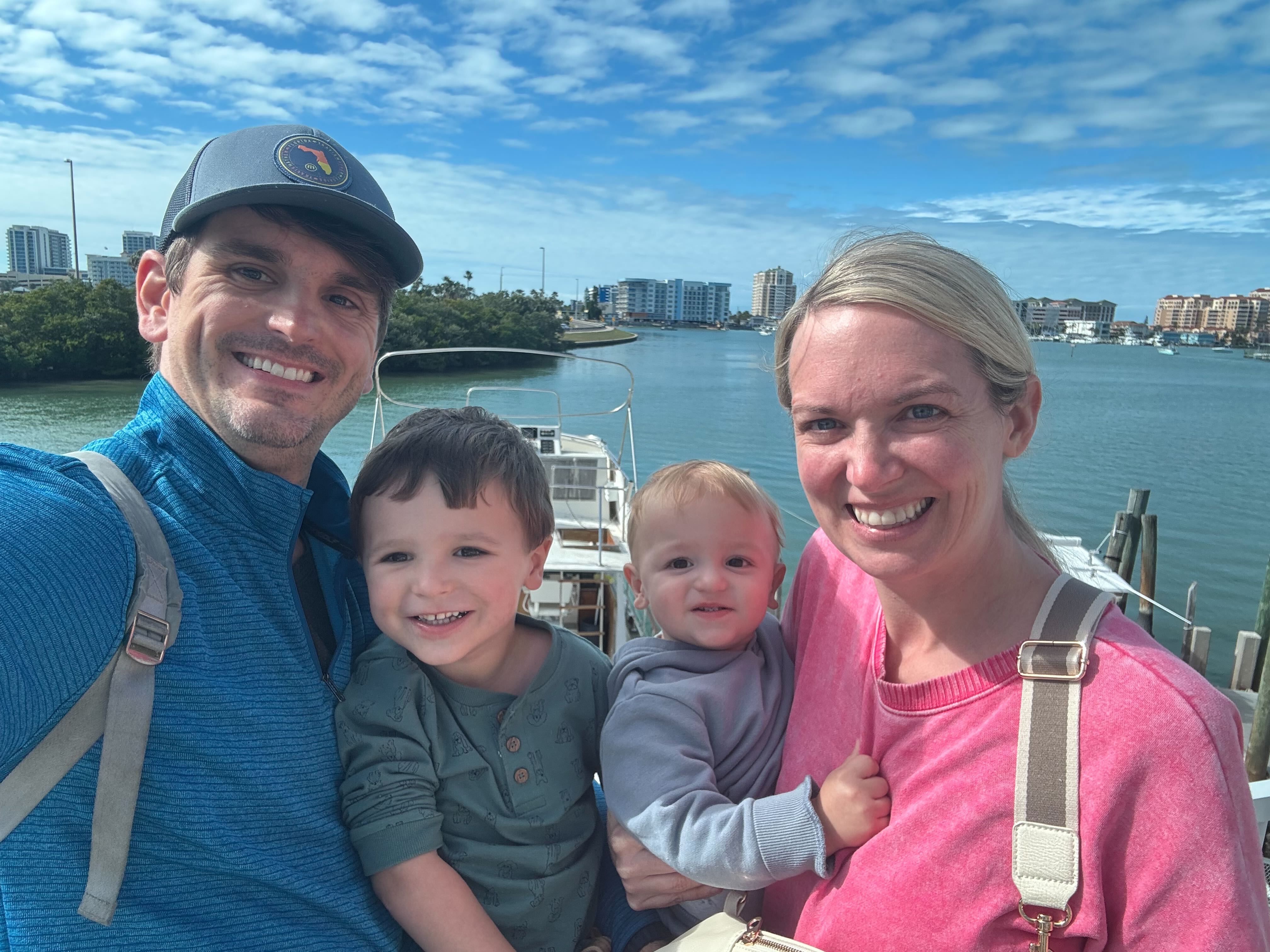
Meet the Founders
Brooklyn Hanna — FDN-P, RN, Cognitive Behavioral Coach CEO & Lead Brain Rewiring Coach
Brooklyn's journey to founding Limbic System Rewire wasn't born in a classroom — it was forged through years of personal suffering. After toxic mold exposure and other major life stressors, Brooklyn was hit with over 18 chronic symptoms, including severe brain fog, extreme fatigue, food and chemical sensitivities, insomnia, anxiety, and more. She was diagnosed with Lyme disease, mold illness, SIBO, chronic fatigue syndrome, autoimmunity, hormone imbalances, and mast cell activation syndrome.
She saw dozens of conventional and natural doctors, spent years on restricted diets, detox protocols, and supplement regimens — at one point she was only able to eat 2 foods. Nothing brought lasting relief.
Then Brooklyn discovered brain rewiring. In just 2 weeks, she experienced more improvement than she had seen in years. She went all in. Within 6 months, her life was completely transformed — she stopped all supplements, began eating freely, ran miles, and lifted weights. Her chronic limitations were gone.
As a Registered Nurse, Functional Diagnostic Nutrition Practitioner (FDN-P), and Cognitive Behavioral Coach, Brooklyn combined her clinical training with her lived recovery to create the Limbic System Rewire program. Her mission: to show others that the root cause of chronic symptoms isn't just a label — it's a dysregulated nervous system that can be rewired with faith and neuroplasticity.
Nick Hanna — Certified Christian Life Coach Co-Founder & Brain Rewiring Coach
Nick was there through every stage of Brooklyn's journey — he witnessed her suffering, and he witnessed her complete transformation. That front-row experience ignited a deep calling to help others find the same freedom.
A Certified Christian Life Coach who specializes in brain retraining, Nick trained extensively in the Limbic System Rewire methodology to coach alongside Brooklyn. He brings theological depth, pastoral care, and genuine compassion to every client interaction. Together, Nick and Brooklyn bring over 10 years of combined coaching experience and have helped over 3,000 clients walk the path from chronic illness to wholeness — in Christ.
Copyright 2026 Limbic System Rewire All Rights Reserved
Hanna Coaching, LLC
Contact Us Here: +1 (727) 658-6129
Disclaimer - Refund Policy - Terms and Conditions of Use of this Site
Contact us for questions at support@limbicsystemrewire.com