
Our Blog
Recent Articles
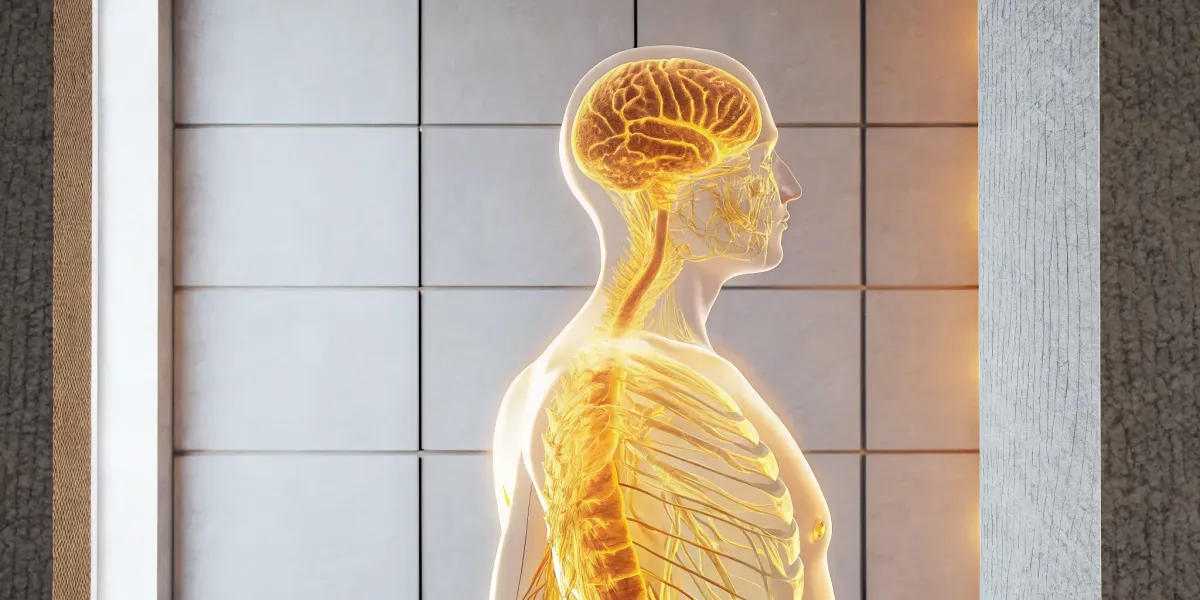
Your Limbic System and Chronic Pain: What's the Link?
Living with chronic symptoms can make you feel like your own body has turned against you, leaving you feeling hopeless. But I want to offer you a truth to hold onto: your brain was designed by God with an incredible ability to change and heal. This capacity, known as neuroplasticity, is a gift. It means that the patterns keeping you stuck are not permanent. When we explore the relationship between the limbic system and chronic pain, we see that an overactive nervous system can be gently guided back to a state of peace. This isn't about forcing change through willpower, but about partnering with your brain's natural design for restoration.
## Key Takeaways
* Pain is more than physical: Your brain’s emotional center, the limbic system, plays a huge role in how you experience chronic symptoms. When this system is stuck on high alert, it can amplify pain and keep you in a cycle of discomfort and stress.
* Your brain can create new patterns: God designed your brain with the ability to change, a process called neuroplasticity. This means you are not permanently stuck with pain pathways; with intentional, gentle practices, you can help your brain form new, more peaceful responses.
* Restoration involves your mind and spirit: Addressing the root of chronic symptoms means looking beyond the physical. A Christ-centered brain rewiring approach provides a clear, step-by-step process to calm your nervous system while grounding your journey in the truth and peace found in your faith.
## What Is the Limbic System?
Have you ever wondered why certain smells bring back powerful memories, or why stress can make physical symptoms feel so much worse? The answer often lies within a remarkable part of your brain called the limbic system. Think of it as the heart of your brain’s emotional and survival responses. It’s a complex network of structures that God designed to regulate our emotions, memories, and behaviors. When this system is working in balance, it helps us move through the world with peace. But when it gets stuck in a state of high alert, it can contribute to the chronic symptoms you might be experiencing. Understanding this system is the first step in seeing if [brain rewiring](https://limbicsystemrewire.com/the-limbic-system-rewire-program) could be part of your journey. Let’s gently explore its key parts.
### The Amygdala: Your Emotional Guard
Meet the amygdala, your brain’s dedicated emotional guard. This small, almond-shaped structure is always on the lookout, processing emotions like fear and anxiety to keep you safe. It’s a God-given alarm system. However, when you’re living with chronic pain or other persistent symptoms, this alarm can become overactive. It starts to perceive threats everywhere, even from normal bodily sensations. This can amplify the emotional weight of your symptoms, making feelings of distress and anxiety feel much more intense. The [cortico-limbic mechanisms](https://pmc.ncbi.nlm.nih.gov/articles/PMC6520155/) involved show how this overactivity can keep you stuck in a cycle of pain and fear, but you are not without hope for change.
### The Hippocampus: Your Memory Keeper
The hippocampus acts as your brain’s memory keeper, responsible for creating new memories. But its job doesn’t stop there; it also plays a vital role in regulating your emotions. Have you ever noticed that brain fog and memory troubles often go hand-in-hand with anxiety? That’s because the hippocampus is directly affected by chronic stress. When the limbic system is in overdrive, changes in the hippocampus can make it harder to recall information and can heighten feelings of anxiety. It works closely with the amygdala to process the emotional context of your experiences, linking past feelings to present moments. This connection is a key reason why old memories can sometimes trigger a physical response today.
### The Hypothalamus: Your Body's Command Center
Think of the hypothalamus as your body’s internal command center. This tiny but mighty structure works tirelessly to keep your body in a state of balance, a process known as homeostasis. It’s the critical link connecting your nervous system to your endocrine system, which manages your hormones. The hypothalamus helps regulate your body’s stress response by signaling the release of hormones like cortisol. When you’re under constant stress from chronic symptoms, this command center can get stuck sending out distress signals. This affects not only your emotional responses but also how your body perceives pain, which is a core part of [limbic system retraining](https://drkellymccann.com/limbic-system-neuroplasticity-and-limbic-retraining-to-improve-mental-and-physical-health).
### The Cingulate Cortex: Your Attention Director
The cingulate cortex functions as your brain’s attention director, helping you decide where to focus. It’s deeply involved in emotional regulation and how you respond to pain. When you experience a painful or uncomfortable sensation, the cingulate cortex helps direct your attention toward it. In a healthy state, this is helpful. But with chronic conditions, it can cause you to become hyper-focused on the pain, which in turn makes the emotional experience of that pain more significant. It influences how you interpret and cope with discomfort, playing a crucial role in the emotional side of chronic pain. Understanding its function helps explain why shifting your focus can be such a powerful tool on your path to restoration.
## How Does the Limbic System Affect Pain?
If you’re living with chronic pain, you know it’s more than just a physical sensation. It affects your thoughts, your emotions, and your spirit. This is because pain isn’t just processed in the part of your body that hurts; it’s deeply intertwined with your brain, specifically your limbic system. Understanding this connection is the first step toward finding a new path forward. Your brain was designed with an incredible ability to adapt, and by learning how it works, you can partner with that design.
### The Emotional Weight of Pain
Have you ever felt like your pain comes with a heavy dose of anxiety or a low mood? That’s not a coincidence. Research shows that the experience of chronic pain involves the [cortico-limbic system](https://pmc.ncbi.nlm.nih.gov/articles/PMC6520155/), which is responsible for both our emotions and our thoughts. When the limbic system is in a constant state of alert because of pain signals, it can naturally lead to feelings of fear, sadness, and hopelessness. Your pain is real, and the emotional toll it takes is just as real. Recognizing this connection is not about saying the pain is "all in your head," but acknowledging that your head and your body are communicating constantly.
### When Memories Trigger Pain Signals
The hippocampus, your brain’s memory keeper, is a key part of the limbic system. It doesn't just store memories of events; it also stores the emotions and physical sensations tied to them. When your limbic system is impaired, it can start to associate certain memories, places, or even thoughts with danger, triggering a pain response as a form of protection. This is why you might feel a flare-up in a situation that reminds your subconscious of a past stressful event. These [changes in the hippocampus](https://pmc.ncbi.nlm.nih.gov/articles/PMC6520155/) can create a cycle where old wounds, both emotional and physical, keep your body stuck in a state of pain.
### How Stress Makes Pain Worse
Stress is a major factor in how your limbic system functions. When you experience any kind of stress, whether it's emotional, physical, or even from something like a poor diet, it can send your limbic system into overdrive. An [overactive limbic system](https://painimprovement.com/limbic-system/) keeps your nervous system on high alert, ready for a threat that never seems to go away. This constant "fight or flight" mode can amplify existing pain and even contribute to the development of chronic conditions. It’s a draining cycle where stress makes pain worse, and the pain, in turn, creates more stress. Understanding this link is crucial to calming the entire system.
## The Link Between Your Limbic System and Chronic Pain
When you live with persistent pain, it’s easy to believe the problem is only in your body, whether it’s a joint, your back, or your head. But what if I told you the control center for that pain is actually in your brain? The limbic system, your brain’s emotional core, plays a huge role in how you experience pain. It’s not just about feelings; this system is deeply connected to your physical sensations. When it becomes stuck in a state of high alert, it can create a cycle of pain that feels impossible to break. Understanding this connection is the first step toward finding a new path forward, one that addresses the root cause instead of just managing the symptoms.
### How Chronic Pain Changes Your Brain
Living with pain day after day does more than just hurt; it actually changes your brain. Research shows that chronic pain can alter the "cortico-limbic system," a network of brain areas responsible for processing everything from emotions to memories to physical sensations. When this system is constantly receiving pain signals, it learns to become overly efficient at creating that pain. It’s like a path in a forest that gets deeper and wider with every use. These changes can make the pain feel more intense and can even cause it to spread, leaving you feeling trapped. But here’s the beautiful truth: your brain was designed by God to adapt, and these pathways are not set in stone. [The Limbic System Rewire program](https://limbicsystemrewire.com/the-limbic-system-rewire-program) is built on this very principle.
### Getting Stuck in the Pain-Emotion Cycle
Have you ever noticed that when you feel anxious or sad, your pain feels worse? That’s not a coincidence. It’s the pain-emotion cycle in action. An overactive limbic system can amplify pain signals, making them feel more threatening and overwhelming. This intense pain then creates more fear, frustration, and hopelessness, which in turn keeps your limbic system on high alert. It’s a draining feedback loop that can make you feel like you’re fighting a battle on two fronts: one in your body and one in your mind. Breaking this cycle is possible when you learn how to calm your nervous system and gently guide your brain out of this protective pattern. Many have found freedom from this very cycle, and their [success stories](https://limbicsystemrewire.com/testimonies) are a testament to what’s possible.
### Is Your Limbic System Behind Your Symptoms?
If you’re dealing with more than just pain, your limbic system is likely involved. When this system is in overdrive, it can trigger a whole host of confusing symptoms. You might experience a racing heart, restless legs, cold hands and feet, digestive issues, or widespread inflammation. Past stress and trauma can also contribute, creating changes in the brain that lead to conditions like fibromyalgia and other chronic illnesses. These symptoms are not random; they are signals that your nervous system is stuck in a "fight or flight" response. If this sounds familiar, you’re not alone. You can [take our 2-minute screening](https://www.limbicsystemrewire.com/screeningquiz) to see if a dysregulated limbic system could be at the heart of your health challenges.
## Common Myths About the Limbic System and Pain
When you’re living with chronic symptoms, it’s easy to feel overwhelmed by conflicting information. You may have been told that your pain is purely physical or that there’s nothing you can do to change it. Let’s take a look at some common myths about chronic pain and the limbic system, and bring some clarity and hope to these topics.
### Myth: "Chronic pain is only physical."
If you’re in pain, you know the feeling is intensely physical and very real. But the idea that pain is only a physical problem is one of the biggest misunderstandings in health. Research shows that chronic pain is a complex experience that involves our emotions, thoughts, and even our memories. Your limbic system acts as the bridge between your mind and body, influencing how your brain perceives and regulates pain. This doesn't mean the pain is "in your head"; it means that our whole being, including our heart and mind, is part of the experience. Understanding this connection is a key part of seeing how intricate and wonderful [our God-given design](https://www.limbicsystemrewire.com/what-we-believe) truly is.
### Myth: "The limbic system is just for emotions."
Many people think of the limbic system as the "emotional center" of the brain, and while it does play a huge role in our feelings, its job is much bigger than that. It's also deeply involved in learning, memory, and survival responses. When it comes to chronic pain, an overactive limbic system can turn up the volume on pain signals, making them feel more intense and persistent. It’s like a smoke alarm that has become too sensitive and goes off even when there’s no fire. This is why you might feel stuck in a cycle of pain and exhaustion. The good news is that by gently [retraining the limbic system](https://www.limbicsystemrewire.com/the-limbic-system-rewire-program), you can help it return to a state of balance and peace.
### Myth: "You can't change how your brain processes pain."
This might be the most discouraging myth of all, but thankfully, it’s completely untrue. God designed our brains with an incredible ability to change and adapt, a process called neuroplasticity. This means you are not stuck with the way your brain is currently wired. By learning to work with your nervous system instead of against it, you can create new neural pathways that help reduce the "fight or flight" response that fuels chronic pain. This isn't about trying harder or forcing yourself to think positive thoughts. It’s about using gentle, consistent tools to guide your brain toward a new way of responding. There is so much [hope for lasting restoration](https://www.limbicsystemrewire.com/testimonies) when you understand that change is possible.
## Is Your Limbic System Stuck in Overdrive?
If you're living with chronic symptoms, you might feel like your body is constantly on high alert. This isn't just in your head; it's a sign that your limbic system may be stuck in a state of overdrive. When your brain’s protective center works too hard for too long, it can create a cycle of persistent symptoms that are difficult to break. You might notice that you feel emotionally fragile, physically sensitive, mentally foggy, and completely exhausted. These aren't separate, unrelated issues. They are often interconnected signs of a dysregulated nervous system. Recognizing these patterns is the first step toward understanding what’s happening in your body and finding a path forward. If these symptoms sound familiar, you can [take our 2-minute screening](https://www.limbicsystemrewire.com/screeningquiz) to see if brain rewiring could be the right next step for you.
### Overwhelming Emotions and Anxiety
Do you feel like you're riding an emotional rollercoaster? One moment you're fine, and the next you're flooded with anxiety, sadness, or irritability for no clear reason. When your limbic system is in a constant state of alert, it’s scanning for danger everywhere. This can leave you feeling perpetually on edge. It’s important to know that this is a physiological response, not a character flaw. Research shows that the experience of chronic pain and illness involves complex [cortico-limbic mechanisms](https://pmc.ncbi.nlm.nih.gov/articles/PMC6520155/), meaning your emotional state and physical symptoms are deeply intertwined. Your brain is trying to protect you, but its alarm system has become too sensitive, leading to feelings that seem overwhelming and out of your control.
### Heightened Sensitivities (to Pain, Light, and Food)
Have you noticed that you're more sensitive to things than you used to be? Maybe certain foods now cause a reaction, bright lights feel jarring, or your skin is tender to the touch. This is a common experience when your limbic system is overactive. An activated [limbic system](https://painimprovement.com/limbic-system/) puts your whole body on high alert, which can amplify all your senses. This state of hyper-vigilance can make you more sensitive to pain, light, sounds, smells, and even chemicals in your environment. You might also experience physical signs of this stress response, like a racing heart, cold hands and feet, or digestive upset. These sensitivities are real physical responses from a nervous system that is working overtime to keep you safe.
### Brain Fog and Trouble Thinking
Struggling to find the right word, remember appointments, or simply focus on a task? This frustrating experience, often called "brain fog," is another sign of a limbic system in overdrive. When your brain is constantly processing threat signals and managing chronic symptoms, it has fewer resources available for higher-level functions like concentration, memory, and decision-making. The part of your brain responsible for clear thinking, the prefrontal cortex, can become less active when the limbic system is dominant. This doesn't mean there's something wrong with your intelligence; it means your brain's energy is being redirected to manage a perceived crisis, leaving you feeling mentally scattered and unclear.
### Deep Fatigue and Low Mood
Do you feel a sense of exhaustion that sleep doesn't seem to touch? This profound fatigue is more than just being tired; it's a sign that your body is depleted from being stuck in survival mode. A constantly activated nervous system burns through an incredible amount of energy, leading to a state of deep physical and mental exhaustion. This chronic stress can also contribute to inflammation throughout the body, which is a known factor in many long-term health challenges. When your body is in this drained, "freeze" state, it's also common to experience a persistent low mood or feelings of hopelessness. This isn't a lack of willpower; it's a natural consequence of a system that has been running on empty for far too long.
## How Chronic Pain Changes Your Brain Over Time
When you live with chronic pain, it can feel like it’s just in your body, a purely physical problem. But the truth is, persistent pain reshapes your brain over time. It’s not just in your head, but your brain is involved in a very real way. Understanding this is the first step toward finding a new path forward. When pain signals continue for months or years, they change the very structure and function of your nervous system, creating a cycle that can be hard to break with physical approaches alone. Let’s look at how this happens.
### The Lasting Effects of a Stressed Nervous System
Living with constant pain is stressful, and that stress has a real impact on your nervous system. When your body is in a state of high alert for too long, it changes how your brain works. The emotional and cognitive challenges that often come with chronic pain, like anxiety or brain fog, aren't just side effects. Research shows they are deeply connected to [how the brain processes and maintains pain](https://pmc.ncbi.nlm.nih.gov/articles/PMC6520155/). Your brain’s limbic system, the emotional core, becomes overworked. This creates a feedback loop where the emotional weight of the pain makes the physical sensations feel even more intense, keeping your nervous system in a constant state of stress.
### Why Your Brain Stays Stuck in a Pain Cycle
Have you ever felt like your brain is stuck on a loop, replaying the same pain signals over and over? There’s a reason for that. With long-term pain, the communication pathways in your brain actually change. Think of it like creating a well-worn path in a forest. The more you walk it, the clearer and easier it is to follow. Similarly, the more your brain sends pain signals, the stronger and more efficient those neural pathways become. These [changes in brain communication](https://pmc.ncbi.nlm.nih.gov/articles/PMC6520155/) can make pain last longer and feel more intense, creating a cycle that feels impossible to escape. Your brain essentially learns to be in pain.
### How "Fight or Flight" Fuels Persistent Pain
Your limbic system is designed to protect you by triggering the "fight or flight" response when it senses danger. This is a God-given survival mechanism. However, when it becomes overactive due to chronic stress or trauma, it can start to perceive even normal sensations as threats. This keeps you in a constant state of high alert. An overactive limbic system enhances the perception of pain, making it feel more severe and widespread. Studies suggest that by [retraining the limbic system](https://idun.augsburg.edu/etd/1549/) to calm this fight or flight response, you can achieve a significant reduction in pain and find better emotional balance.
### The Connection Between Stress, Inflammation, and Pain
The link between your mind and body is incredibly powerful. When your limbic system is dysregulated from ongoing stress, it can trigger a cascade of physical responses, including inflammation. We now know that [inflammation is a root cause](https://painimprovement.com/limbic-system/) of many chronic conditions. In fact, a significant percentage of chronic diseases are linked back to stress and trauma. This inflammation can show up in your body as chronic pain, digestive issues, high blood pressure, or other persistent symptoms. It’s a clear example of how a stressed nervous system can create very real physical problems throughout the body.
## Why Traditional Methods May Not Be Enough
If you’re reading this, you have likely walked a long road in search of answers for your health. You may have tried countless diets, supplements, and protocols, only to find that the relief is temporary or that you’re still feeling stuck. It’s a frustrating and discouraging place to be, and I want you to know that your experience is valid. So often, we are told to focus on the physical body, and while that is an important part of the picture, it’s often not the whole story.
When you’ve been struggling for a long time with persistent symptoms, your nervous system can get stuck in a defensive, high-alert state. This isn’t your fault; it’s a protective mechanism. But when this state becomes chronic, it can feel like your own body is working against you. Many traditional methods focus on addressing symptoms from the outside in, but they may not address the root pattern in the brain that is keeping the cycle of pain and symptoms going. If we don't look at the role the brain plays in perceiving and perpetuating these signals, we may miss the key to lasting change and restoration.
### The Missing Piece: Addressing Your Brain's Role in Pain
It’s crucial to understand that chronic pain is more than just a physical sensation. While the feeling is absolutely real and located in your body, the experience of that pain is processed and interpreted by your brain. Research shows that chronic pain has strong [emotional and thinking parts](https://pmc.ncbi.nlm.nih.gov/articles/PMC6520155/), leading to challenges with anxiety, low mood, and even memory. This doesn't mean the pain is "all in your head." It means your brain, the command center of your body, is deeply involved. Focusing only on the physical location of pain overlooks the significant role your brain plays in your moment-to-moment experience of it.
### What Happens When You Only Focus on Physical Symptoms
When you only address the physical symptoms, you might be missing the engine that’s driving them. Think of your limbic system as your body's alarm system. When it’s working as God designed, it alerts you to danger and then returns to a state of peace. But with chronic illness or pain, that alarm can get stuck in the "on" position. With an overactive limbic system, the [perception of pain is enhanced](https://idun.augsburg.edu/etd/1549/), and your brain continues to send and receive discomfort signals. This is why you can be doing all the "right" things for your body but still feel unwell. You’re trying to quiet a fire alarm by fixing the wall it's attached to, instead of resetting the system itself.
## Can You Rewire Your Brain to Find Relief?
If you’ve been living with chronic symptoms, the idea of finding lasting relief can feel distant. But what if the key isn’t just about addressing your body, but also about understanding how your brain processes pain? The wonderful news is that your brain is not fixed. It was designed with a remarkable ability to change, adapt, and form new pathways. This process, known as brain rewiring, offers a gentle, faith-filled approach to calming your nervous system and changing your relationship with pain. It’s a journey of restoration, one that you don’t have to walk alone.
### Neuroplasticity: Your Brain's God-Given Ability to Change
Neuroplasticity is the scientific term for your brain's God-given ability to reorganize itself by forming new neural connections. Think of it as your brain’s capacity to create new roads when old ones are blocked or lead to distressing places. When the limbic system becomes overactive, it can amplify pain signals and keep you in a state of discomfort. However, as research notes, by retraining the limbic system to alter the fight or flight response, a significant reduction in pain can be achieved. This isn't about willpower; it's about intentionally guiding your brain to build healthier, more peaceful pathways, which is a core part of [The LSR Program](https://limbicsystemrewire.com/the-limbic-system-rewire-program).
### Simple Tools for Calming Your Nervous System
Calming an overactive nervous system doesn't require complicated or strenuous exercises. It often begins with simple, gentle moments of awareness. When you live with chronic pain, it’s easy to feel disconnected from your body or even at war with it. Learning to notice your physical sensations with a quiet, non-reactive mindset can make a profound difference. This practice helps you step out of the cycle of reacting to pain with fear and tension. By simply being present, you can create space for your nervous system to settle. If you're wondering if this approach could help you, you can [take our two-minute screening](https://www.limbicsystemrewire.com/screeningquiz) to see if brain rewiring is a good fit for your health challenges.
### Shifting Your Thoughts About Pain
When pain is constant, your brain can learn to associate it with fear, frustration, and hopelessness. These emotional reactions can, in turn, make the pain feel even more intense. Brain rewiring helps you gently separate the physical sensation of pain from the emotional story you’ve attached to it. As experts point out, developing a "non-judgmental awareness of pain" can reduce your emotional reactivity and lessen its intensity. This aligns with the biblical call to renew our minds. It’s not about pretending the pain isn’t there. Instead, it’s about changing your response to it, which removes the fuel that keeps the pain-emotion cycle going and opens the door for true restoration.
### The Power of Faith in Your Journey
For many, chronic symptoms are linked to past experiences, stress, or trauma that have left the limbic system on high alert. As one institute explains, trauma can deeply imprint itself on the brain, "trapping clients in patterns of fear [and] tension." While brain rewiring tools are practical and effective, integrating faith provides a powerful foundation for lasting change. Your journey to wellness is not just a mental or physical one; it is also deeply spiritual. Leaning on God’s promises, casting your anxieties on Him, and trusting in His goodness brings a peace that science alone cannot provide. This Christ-centered approach is central to [what we believe](https://limbicsystemrewire.com/what-we-believe) and is woven into every step of the rewiring process.
## What Does Brain Rewiring Look Like in Practice?
So, how do you actually begin to rewire your brain? It’s not about wishful thinking. It’s a practical, intentional process of building new neural pathways grounded in truth. Think of it like creating a new, well-worn path in a forest while letting the old, overgrown one fade away. This journey involves clear steps, supportive guidance, and a foundation of faith to guide you toward lasting restoration. It’s about taking small, consistent actions that lead to profound changes in your mental, emotional, and physical well-being.
### Following a Step-by-Step Program
When you’re dealing with fatigue and brain fog, the last thing you need is more confusion. That’s why a structured program is so important. Limbic system retraining gives you a clear, step-by-step process to help your brain “unlearn” the patterns that keep you stuck in cycles of pain, anxiety, and exhaustion. By consistently applying simple, targeted exercises, you begin to create new neural pathways. These new pathways help your nervous system return to a state of peace and safety. A structured program removes the guesswork, giving you a reliable roadmap to follow as you gently guide your brain toward a new way of functioning.
### Getting Personal Guidance and Support
Walking this path alone can feel overwhelming, which is why personal guidance and community are so valuable. Working with a coach helps you identify the specific, habituated thought patterns that unconsciously trigger your body’s fight-or-flight response. This personalized support helps you stay accountable and encouraged, especially on difficult days. Being part of a community with others on a similar journey reminds you that you are not alone in your struggles. Hearing their success stories and sharing your own experiences creates a powerful sense of connection and hope, which is an essential part of finding your way back to wellness.
### A Christ-Centered Path to Restoration
For believers, true restoration involves more than just mental exercises; it involves the heart and spirit. A Christ-centered approach to brain rewiring integrates faith into every step of the process. Instead of just practicing mindfulness, you are invited to renew your mind with God’s truth and meditate on His promises. This path isn’t about your own strength but about leaning on His. It’s an opportunity to deepen your relationship with God, allowing His peace to calm your nervous system and His truth to redefine your identity. This faith-based methodology ensures that your journey is anchored in the unwavering love and power of Christ, leading to a transformation that is not only mental and physical but also deeply spiritual.
## Is Brain Rewiring Right for You?
If you’ve been on a long journey with chronic health challenges, you might feel like you’ve tried everything. Maybe you’ve seen countless specialists and changed your diet multiple times, yet the brain fog, fatigue, and persistent pain remain. If you feel like your body is stuck in a constant state of alarm and your emotions are overwhelming, it’s easy to lose hope. But what if the key isn’t just in addressing your body, but also in gently guiding your brain?
Brain rewiring could be the answer you’ve been praying for if you resonate with any of these feelings:
* You feel like you’re living in a constant “fight or flight” mode.
* You’ve been told your tests are normal, but you know something is wrong.
* Your symptoms seem to flare up with stress, certain foods, or even strong smells.
* You feel disconnected from your body and exhausted by the effort of just getting through the day.
This approach is based on the understanding that chronic pain and other symptoms can create deep patterns in the brain. Over time, your brain can learn to be in a state of defense, creating a cycle of pain and emotional distress. The good news is that your brain was designed by God with an incredible ability to change. Research shows that we can [retrain the brain to alter its response](https://www.nih.gov/news-events/nih-research-matters/retraining-brain-treat-chronic-pain) to these signals. Brain rewiring gives you a way to partner with your body’s natural design for restoration. It’s not about trying harder or pushing through the pain; it’s about learning to work with your nervous system from a place of peace and faith. If you’re ready for a path that addresses the root cause instead of just managing symptoms, this could be your next step. To see if our program is a good fit for your specific challenges, you can [take our free 2-minute screening](https://www.limbicsystemrewire.com/screeningquiz).
## Related Articles
* [Christ-Centered Brain Rewiring | Limbic System Rewire](https://limbicsystemrewire.com)
* [Success Stories & Testimonials | Limbic System Rewire](https://limbicsystemrewire.com/testimonies)
* [Blog](https://limbicsystemrewire.com/blog)
## Frequently Asked Questions
Is this saying my pain is "all in my head?"
Absolutely not. The pain and symptoms you feel are 100% real and physical. This approach simply acknowledges that your brain is the command center that interprets and regulates those physical signals. When the brain's protective system gets stuck on high alert, it can amplify pain. Brain rewiring helps calm that system at the source, which can change your experience of the very real sensations in your body.
How is brain rewiring different from just trying to think positively?
That's a great question. Positive thinking often involves trying to force or ignore negative feelings, which can be exhausting and unhelpful. Brain rewiring is different; it's a practical process of using small, specific exercises to create new neural pathways. It’s less about the content of your thoughts and more about changing the underlying pattern of your nervous system's response, gently guiding it from a state of alarm to a state of peace.
What if I'm too tired or have too much brain fog to start something new?
I completely understand that concern, as it's a reality for so many. This approach was designed with that in mind. The process is gentle and broken down into small, manageable steps that you can do even on low-energy days. It's not about adding another stressful "to-do" to your list, but about integrating simple, calming moments into your day that help restore your energy over time, not deplete it.
Why haven't my doctors mentioned my limbic system?
Many doctors are trained to look for problems in the specific part of the body where you feel symptoms, which is an important and necessary approach. However, the role of the nervous system in creating and maintaining chronic symptoms is a field of growing understanding. This brain-based perspective looks at the root pattern that can affect the whole body, offering a different but complementary piece of the puzzle that many traditional methods may not focus on.
How does faith play a role in this process?
Faith is the foundation of our approach, not just an add-on. While the brain rewiring tools are based on how our bodies are designed, we believe true and lasting restoration comes from God. Instead of relying on our own strength, we lean on His promises and truth to renew our minds. This means prayer and scripture are woven into the process, providing a deep sense of peace and purpose that goes beyond just managing symptoms.


Meet the Founders
Brooklyn Hanna — FDN-P, RN, Cognitive Behavioral Coach CEO & Lead Brain Rewiring Coach
Brooklyn's journey to founding Limbic System Rewire wasn't born in a classroom — it was forged through years of personal suffering. After toxic mold exposure and other major life stressors, Brooklyn was hit with over 18 chronic symptoms, including severe brain fog, extreme fatigue, food and chemical sensitivities, insomnia, anxiety, and more. She was diagnosed with Lyme disease, mold illness, SIBO, chronic fatigue syndrome, autoimmunity, hormone imbalances, and mast cell activation syndrome.
She saw dozens of conventional and natural doctors, spent years on restricted diets, detox protocols, and supplement regimens — at one point she was only able to eat 2 foods. Nothing brought lasting relief.
Then Brooklyn discovered brain rewiring. In just 2 weeks, she experienced more improvement than she had seen in years. She went all in. Within 6 months, her life was completely transformed — she stopped all supplements, began eating freely, ran miles, and lifted weights. Her chronic limitations were gone.
As a Registered Nurse, Functional Diagnostic Nutrition Practitioner (FDN-P), and Cognitive Behavioral Coach, Brooklyn combined her clinical training with her lived recovery to create the Limbic System Rewire program. Her mission: to show others that the root cause of chronic symptoms isn't just a label — it's a dysregulated nervous system that can be rewired with faith and neuroplasticity.
Nick Hanna — Certified Christian Life Coach Co-Founder & Brain Rewiring Coach
Nick was there through every stage of Brooklyn's journey — he witnessed her suffering, and he witnessed her complete transformation. That front-row experience ignited a deep calling to help others find the same freedom.
A Certified Christian Life Coach who specializes in brain retraining, Nick trained extensively in the Limbic System Rewire methodology to coach alongside Brooklyn. He brings theological depth, pastoral care, and genuine compassion to every client interaction. Together, Nick and Brooklyn bring over 10 years of combined coaching experience and have helped over 4,000 clients walk the path from chronic illness to wholeness — in Christ.
Copyright 2026 Limbic System Rewire All Rights Reserved
Hanna Coaching, LLC
Disclaimer - Refund Policy - Terms and Conditions of Use of this Site
Contact us for questions at support@limbicsystemrewire.com